CIF EN590 Diesel Deals: Why POP First Requests Are a Red Flag
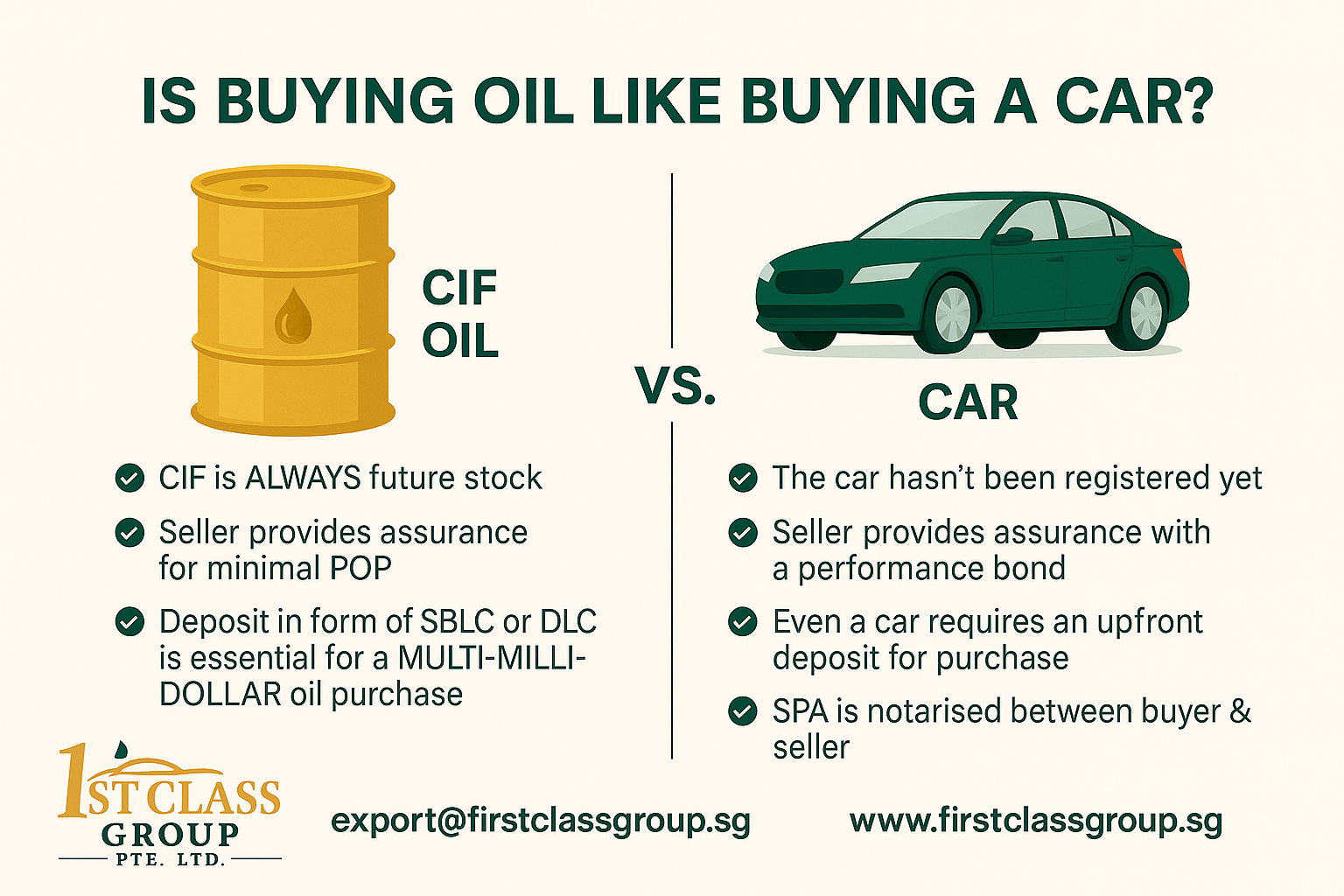
In the world of CIF EN590 diesel deals, many buyers mistakenly demand Proof of Product (POP) before any formal steps have been taken. On the surface, this request may seem like a smart safety move. However, it often signals a fundamental misunderstanding of how legitimate CIF oil trades are structured.
Why POP Requests Hurt CIF EN590 Diesel Deals
Requesting POP first disrupts the trust-based flow of CIF transactions. A real seller will only provide documentation like SGS, Q88, or bill of lading once there is an agreement in place. If a buyer insists on POP without issuing an ICPO or showing readiness to transact, most genuine sellers will walk away.
This behavior doesn’t reflect strong due diligence. Instead, it’s a red flag for inexperience—or worse, for fishing. Sophisticated scammers also use POP requests to steal doctored documents and recycle them into other scams.
How Real CIF EN590 Diesel Deals Work
In a proper CIF EN590 deal, both parties move step-by-step through a secure process. The buyer issues an ICPO with their company details and bank info. The seller counters with a draft SPA, and both sides proceed toward issuing SBLC or DLC. Only at this point do documents like POP become relevant—and even then, through bank channels.
To learn more about the safe CIF structure, read our Part 1 guide. Also, see how scammers fake POP documents to trap buyers.
Key Takeaways
- POP is not a starting point in legitimate CIF EN590 diesel deals.
- Real deals start with documentation, not with demands.
- If someone insists on POP first, you may be dealing with a red flag.
If you're navigating the EN590 space, align with brokers who understand proper trade flow—not paper traders.